



2 Rue de la Clôture – Paris, France
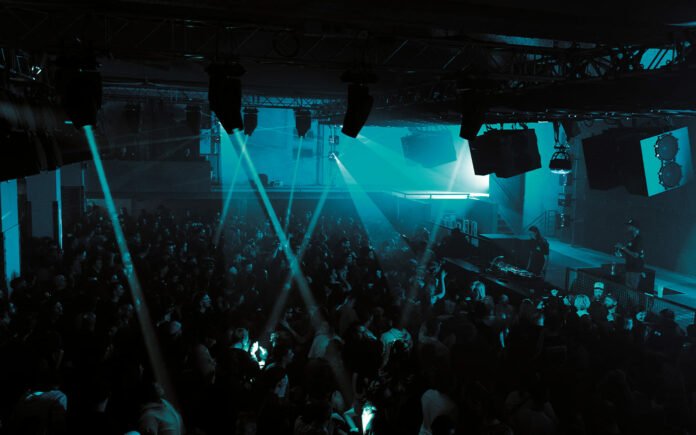
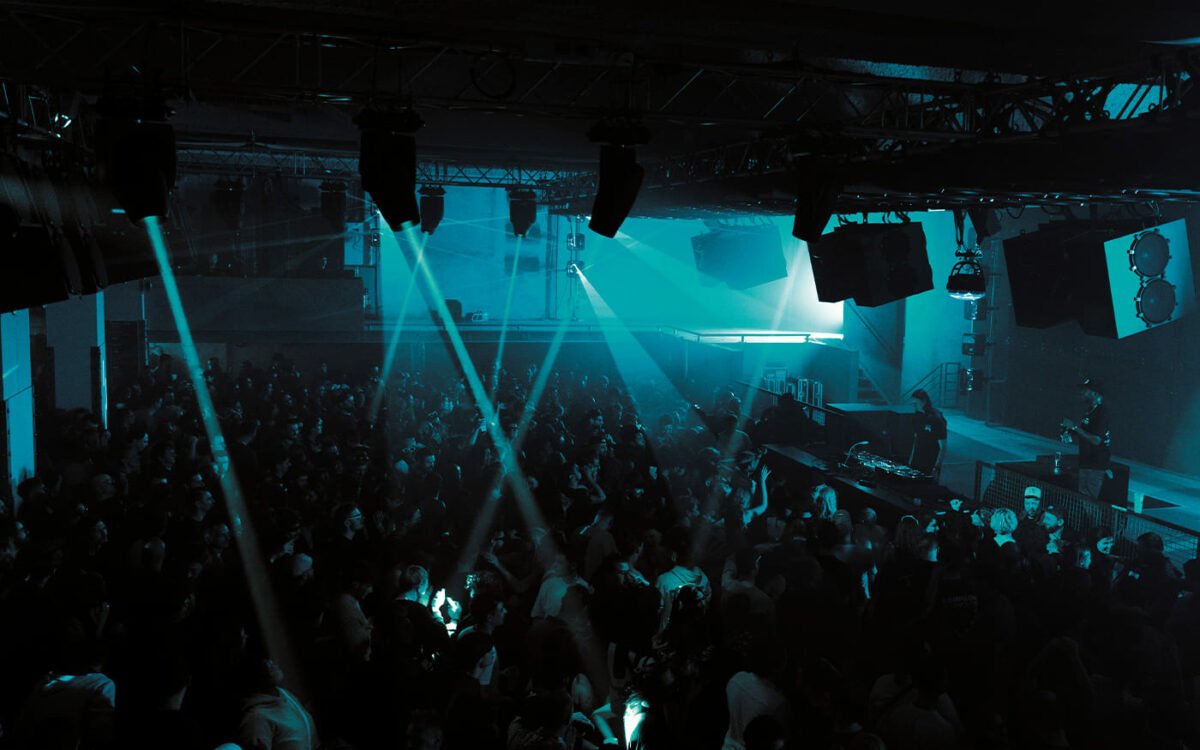
Mia Mao is one of the newest large-scale electronic music clubs in Paris. Located in Parc de la Villette in the city’s 19th arrondissement, the venue occupies a vast former industrial hall and represents the continuing movement of Parisian nightlife towards the north-east of the city. With a capacity of around 3,000 people, Mia Mao combines monumental industrial architecture with contemporary sound, lighting, and club culture.
History and Location
Mia Mao opened on January 17, 2025, with French electronic music pioneer Laurent Garnier playing an extended four-hour set. The club was created by a team already involved in several important Paris nightlife projects, including Glazart, Kilomètre25, and Jardin21. The idea had been developing for several years, with its realization delayed partly by the Covid-19 pandemic.
The club occupies the former Halle aux Cuirs in Parc de la Villette, a large concrete building originally associated with the enormous slaughterhouse and meat-market complex that once dominated this part of Paris. The hall was historically used for storing and trading animal hides before the industrial activities of La Villette disappeared during the second half of the 20th century.
This location gives Mia Mao a direct connection to one of the most significant examples of industrial transformation in Paris. After the slaughterhouses closed, the La Villette district was gradually redeveloped into a major cultural area. Today, the surrounding park is home to institutions such as the Cité des Sciences et de l’Industrie, Philharmonie de Paris, Cité de la Musique, and the Grande Halle de la Villette, while former industrial structures have been incorporated into new cultural uses.
The approximately 3,000 m² Halle aux Cuirs provides Mia Mao with an unusually monumental setting for a Paris nightclub. Its concrete structure, large open interior, and ceilings reaching around seven metres create an atmosphere closer to a warehouse or industrial event space than to the smaller clubs traditionally found in central Paris.
Present
Mia Mao was designed primarily around the experience of the dancefloor. The club combines its raw architecture with a custom sound system and extensive lighting installation, using the scale of the building to create an immersive environment rather than dividing it into numerous smaller rooms. A strict no-photo and no-video policy encourages visitors to focus on the music and the collective experience inside the venue.
Musically, techno forms an important part of the programme, but Mia Mao is not exclusively a techno club. Its events move between house, electro, trance, harder forms of techno, and other contemporary electronic styles. The programme combines internationally established DJs with artists from France and the wider European scene, continuing the approach developed by the team through its other Parisian venues.
The opening of Mia Mao also reflects a broader transformation of nightlife geography in Paris. While many historic clubs were concentrated in central districts, increasingly large electronic music venues and temporary projects have appeared around former industrial areas in the north and east of the city. La Villette has become particularly important in this development, with clubs and cultural projects taking advantage of spaces that would be difficult to establish in the dense historic centre.
Mia Mao operates beyond the physical club itself. Mia Mao Records was launched in 2024, while the project also runs an online radio station and publishes recorded DJ sets and livestreams. This combination of club, label, broadcasting, and digital content positions Mia Mao as a broader electronic music platform.
Despite being a relatively young venue, Mia Mao has quickly established itself as one of the largest dedicated electronic music spaces in Paris. Its industrial location, ambitious production, and connection with the team behind several existing nightlife projects make it part of a new generation of Paris clubs that combine warehouse culture with more permanent cultural infrastructure.
