



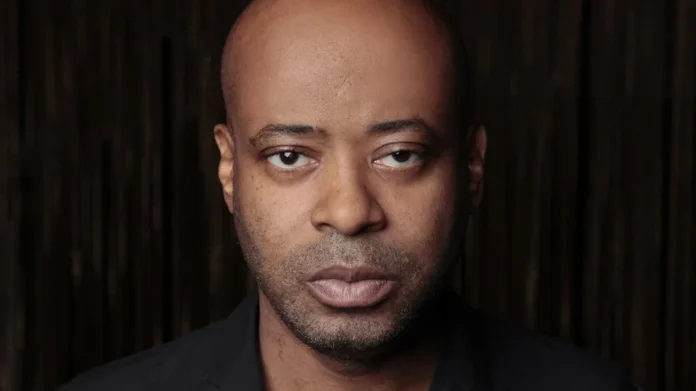
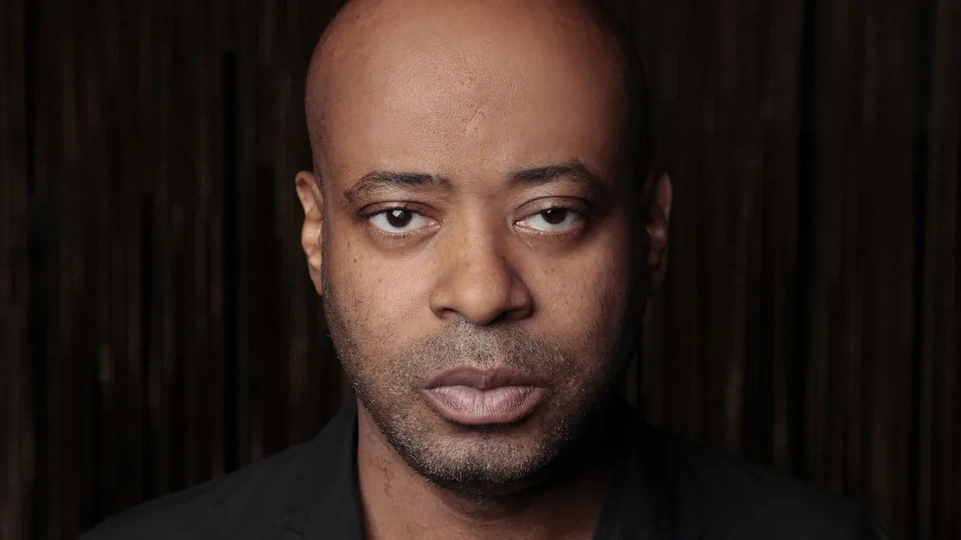
Juan Atkins, the Detroit producer and DJ widely regarded as one of techno’s foundational figures, has died aged 64. His death was confirmed by his management company, Green Smith Artists. Atkins had been scheduled to perform at Mexico City’s Yu Yu Club on October 31.
A sound shaped by Detroit
Atkins’s influence grew from a close-knit local scene. Raised in Detroit, he played in funk and garage bands as a teenager and met Derrick May and Kevin Saunderson in junior high school. The three later became known as the Belleville Three, sharing equipment, studio space and production work as they helped define the city’s emerging electronic sound. [1]
At 18, Atkins formed Cybotron with his friend Richard “3070” Davis. Their early records combined funk, electronic instrumentation and futuristic themes, developing a distinctive approach that found a wider audience with “Clear” in 1983. The track became an underground hit before crossing into the mainstream; it sold 50,000 copies and was later sampled by Missy Elliott and other artists. [1]
Cybotron released three albums: Enter in 1983, Empathy in 1993 and Cyber Ghetto in 1995. Atkins’s work with the group was one strand of a career that also included the Belleville Three and Borderland, reflecting his continued involvement in Detroit techno and its wider electronic-music community.
More than the dancefloor
Atkins saw music as a way to communicate ideas as well as move a crowd. In a recent interview with The Guardian, he said his lyrics were intended to prompt thought beyond dancing and romance, adding that artists had an obligation to say something meaningful. That outlook ran alongside the futuristic character of his early work, which helped distinguish Detroit’s sound as it developed. [1]
He was also explicit about the name he gave that music. In a 2005 interview with Pitchfork, Atkins said he had always called his work techno, even as DJs in Chicago described it as Detroit house. He recalled differences between the cities’ musical reference points, while also describing a sense of friendship and competition among their DJs. [1]
Atkins remained active as a touring DJ and performer in his final years. He played clubs in cities including New York and Berlin, as well as festival stages at Detroit’s Movement, Amsterdam’s Dekmantel and England’s Houghton. His death brings to a close a performing career that continued across generations of electronic music, while the records he helped create remain central to techno’s history.