




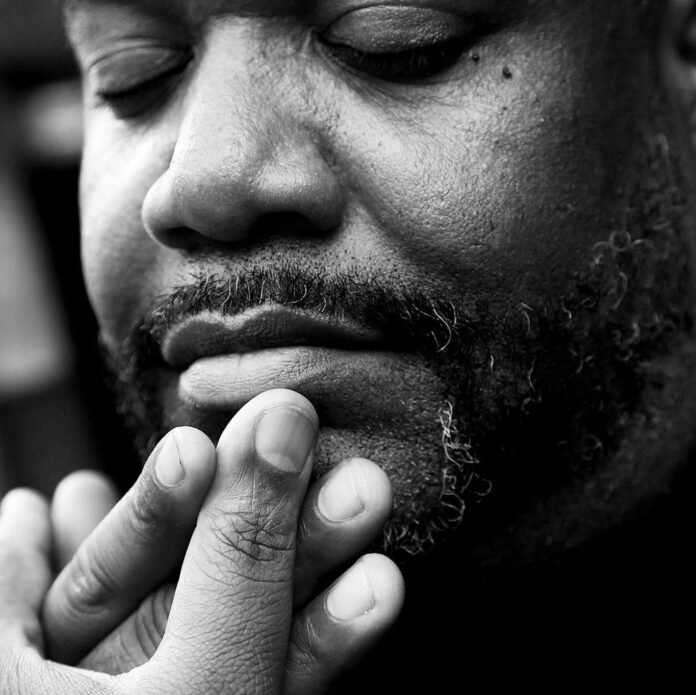
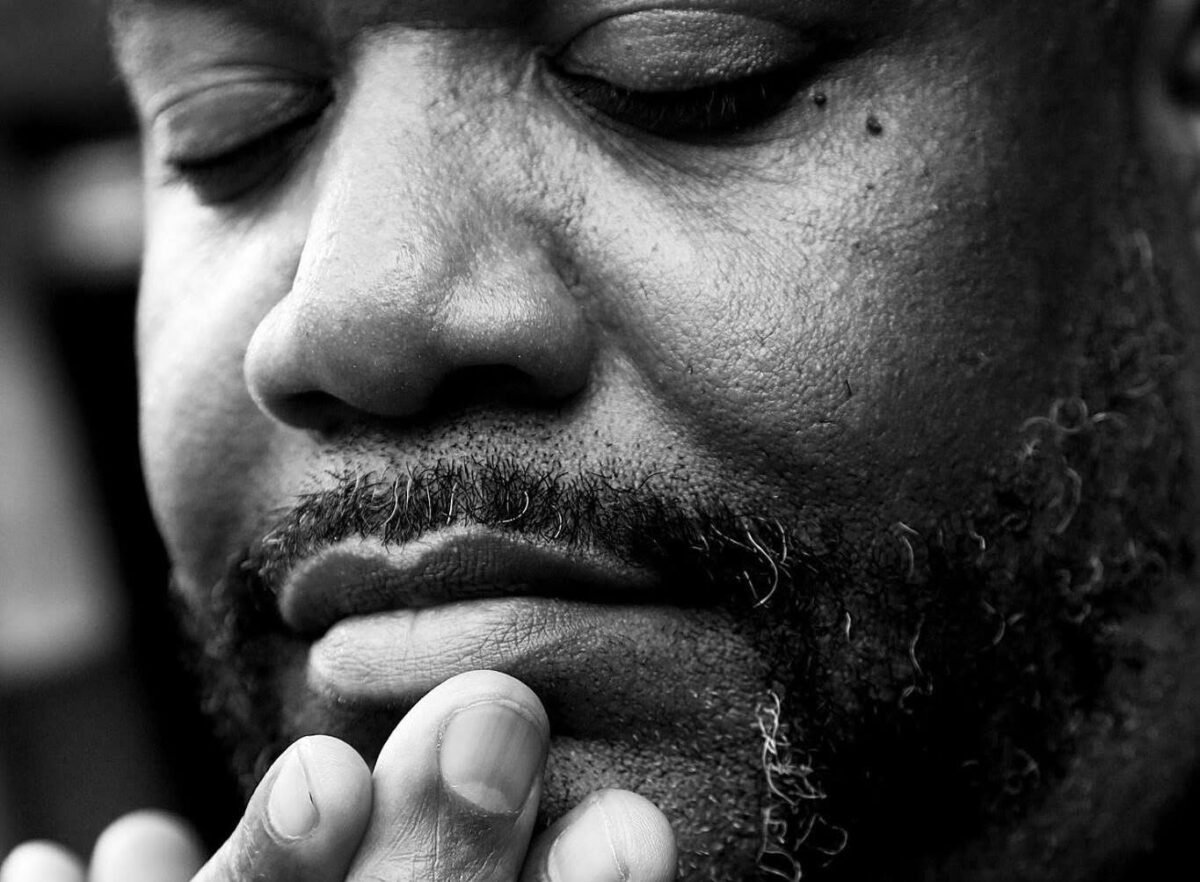
Sean Tate, the Detroit techno DJ and producer known as The Butcher, has died at 55. A fixture of the city’s dance music underground for more than three decades, Tate worked across production, DJing and independent music projects while also building spaces for local artists and audiences. No cause of death was given.
A lasting presence in Detroit’s underground
Tate’s death was confirmed by Detroit Promo TV, the streaming platform he cofounded. The platform said he died three days before its announcement on September 27; the report gives no further details about the circumstances. His recorded career reached back to the mid-1990s. Tate first emerged in the Detroit scene as executive producer of Terrence Parker’s 1995 track “Love’s Got Me High,” an early credit that placed him in the orbit of the city’s established techno community.
As a producer, he was particularly associated with his collaborations with Body Mechanic, the alias of Mollison Folson. The pair released music as Folson & Tate, including work on Folson’s Detroit Techno Records. Tate’s own artistic identity also evolved: he began DJing as DJ 1315 before becoming better known as The Butcher. The Butcher’s reputation extended beyond Detroit. He performed frequently in the United States and Europe, carrying the city’s sound to dance floors abroad while remaining closely connected to its local scene. In 2018, he founded RWYS—short for Remember Why You Started—a label that released music by artists including Strand, Spacetime Distortion and Folson, as well as Tate himself.
Building platforms for local music
Tate’s work was not limited to records and DJ sets. In 2014, he and Folson cofounded The Bassment, a local live-streaming platform that went on to host performers including Suburban Knight, Los Hermanos, Mark Flash and Egyptian Lover. The project offered another outlet for Detroit artists and visiting musicians, extending the reach of the city’s music beyond the club.
That combination of creative work and community involvement was central to Tate’s public life. Alongside his music career, he was an attorney and community leader who worked to combat local poverty. His legacy therefore reaches beyond his discography: it includes the label and streaming platform he helped establish, and the opportunities those projects created for artists and audiences. From the early production credit on Parker’s “Love’s Got Me High” to his work with Folson, his own releases and years behind the decks, Tate maintained a presence in Detroit techno across multiple generations of the scene. His efforts with RWYS and The Bassment also reflected a sustained commitment to making room for others within the city’s musical community.