



Plac Dominikański 6 – Kraków, Poland
Prozak is one of the most recognisable names in Kraków’s club history. Hidden beneath Plac Dominikański, only a few minutes from the Main Square.
Both clubs occupied the same historic underground environment, but belonged to different periods of Polish nightlife. The first became known for its design, strict door policy and fashionable crowd. The second transformed that legacy into a multi-room electronic music club capable of bringing artists from the international techno and house circuit to Kraków.
The Original Prozak
The first Prozak opened at the beginning of the 2000s and quickly became one of Kraków’s defining nightlife destinations. Its identity was created as much through the people inside as through music. Entry could be notoriously difficult, with a restrictive selection policy that became part of local club mythology. Stories about being rejected by Prozak’s selector continued circulating long after the original venue had closed.
The interior was equally distinctive. Designer and graphic artist Mariusz Widłak created an unconventional space with custom furniture resembling abstract sculptures, and in 2004 Newsweek Polska recognised Prozak for its interior and atmosphere. At its peak, the club attracted a mixture of musicians, artists, designers, fashion-conscious regulars and people associated with Kraków’s creative scene.
This was a particular moment in Polish club culture. The internet had not yet flattened nightlife into the globally connected ecosystem that exists today, and clubs could develop highly local identities. Prozak became one of those places where knowing the club, its music and its crowd mattered. Its exclusivity was sometimes criticised, but it also helped create the mythology surrounding the venue.
Eventually the original Prozak closed. After approximately two years without the club, a new group reached an agreement with its original owner to revive the name and reconnect the venue with the period considered its musical peak.
Prozak 2.0
The first party under the Prozak 2.0 name took place in September 2013. Initially, only one dancefloor operated, deliberately recalling the smaller and more intimate configuration of the original club. The project was led by a new team including Emil Hołubiczko and his partner Magda, who had previously worked together in public relations.
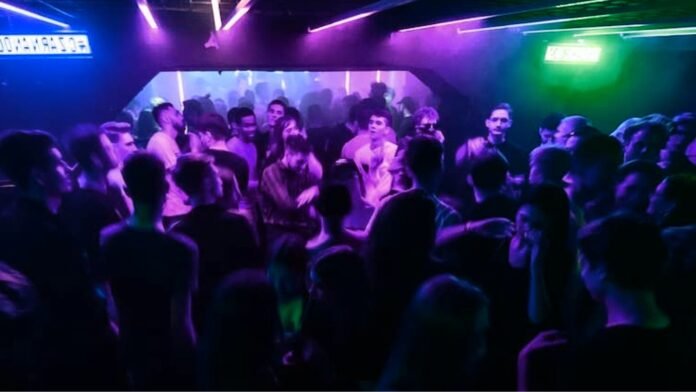
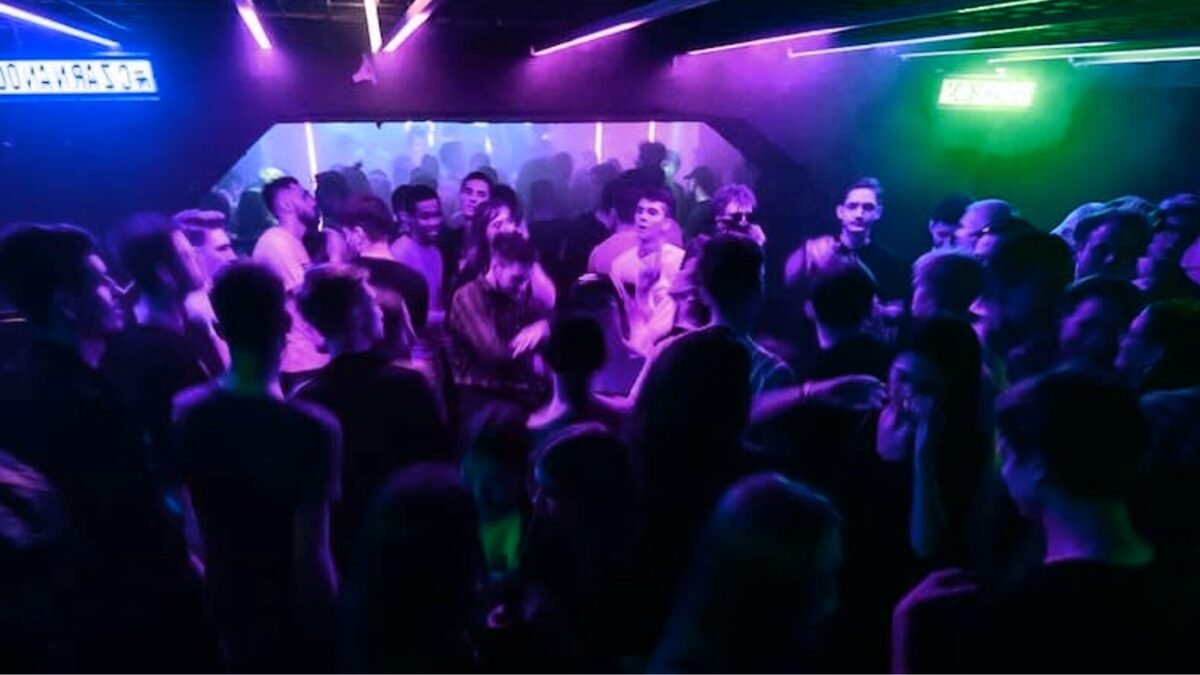
The new incarnation gradually expanded. After approximately two years, a major reconstruction added further underground levels and eventually increased the venue to more than 600 square metres. Instead of the sculptural design associated with the original Prozak, 2.0 developed a darker and more functional aesthetic: concrete walls, black surfaces, metal grids, neon and red and blue lighting.
Three dancefloors allowed different scenes to coexist inside the same labyrinth of historic cellars. Hip-hop and trap could occupy one level, drum & bass another, while the deepest floor increasingly became the heart of the club’s electronic programme.
This underground architecture became one of Prozak 2.0’s defining characteristics. Descending through corridors, staircases and successive rooms creates a sense of moving progressively further away from the tourist city immediately above. The contrast is particularly striking in Kraków: medieval streets, churches and the Main Square exist only minutes away, while several metres underground the environment is almost entirely dark, concrete and electronic.
International Electronic Music
Prozak 2.0 quickly became considerably more ambitious in its bookings than a typical city-centre nightclub. Its first seasons already included artists such as Dominik Eulberg, Adam Port, Matador, Robag Wruhme, Pional, Stephan Bodzin, Ripperton, Extrawelt and Michael Mayer.
Over the following years the list expanded substantially. Dixon, Marcel Dettmann, Apparat, Vitalic, Miss Kittin, Kollektiv Turmstrasse, Damian Lazarus, Len Faki, Rødhåd, Oscar Mulero, Speedy J, Recondite, Radio Slave, FJAAK, Function, Stephan Bodzin, Ellen Allien and VTSS are among the artists documented by the club.
This programming helped connect Kraków more directly with the European club circuit. Berlin techno, German house and minimal, deeper forms of house and increasingly harder variants of techno could appear within the same venue, while Polish artists and residents remained an important part of the programme.
Sound became another priority. Prozak gradually invested in a Funktion-One system, eventually installing it across the venue. The combination of powerful sound with the low ceilings and enclosed underground rooms became central to the physical character of the club.
Two Generations of the Same Club
The relationship between Prozak and Prozak 2.0 is more interesting than a simple reopening. The two incarnations reflect different generations of Polish nightlife.
The original Prozak built much of its reputation around exclusivity, interior design and a relatively small community of regulars. Prozak 2.0 retained elements of that selective identity but placed considerably greater emphasis on electronic music itself, professional sound and international bookings. Even the dress code changed: by the 2.0 era, management openly described hoodies, caps, sportswear and predominantly black clothing as more compatible with the club than heels or formal nightlife fashion.
At the same time, the club had to negotiate an unusual contradiction. Its location near Kraków’s Main Square inevitably brings tourists and casual visitors, while its strongest musical identity has often been considerably more underground. Different rooms partly solve this problem, allowing more accessible music and dedicated electronic programming to exist under the same address.
More than two decades after the original Prozak appeared, the name remains part of Kraków nightlife. The current Prozak 2.0 still operates at Plac Dominikański 6, with three dancefloors spread across approximately 600 square metres of historic cellars and Funktion-One sound.
Its importance comes partly from this continuity. The first Prozak captured the selective, fashion-conscious club culture of early-2000s Poland; Prozak 2.0 translated the name into the era of internationally connected electronic music. Different teams, different interiors and different generations of dancers have occupied the space, but the descent beneath Plac Dominikański has remained part of Kraków’s nightlife for more than twenty years.
