



Nieuwevaart 51 – Gent, Belgium
Kompass Klub is one of Belgium’s best-known techno clubs and one of the central institutions of Ghent’s contemporary electronic music scene. Founded in 2016, the club developed around a simple idea: large-scale electronic music events inside raw industrial spaces, with the dancefloor rather than conventional nightclub luxury at the centre of the experience.
Over the following decade, Kompass became known internationally for heavyweight techno bookings, warehouse-scale production and a constantly changing series of industrial locations. This nomadic history became an important part of the club’s identity, but also reflected a wider problem facing European nightlife: finding permanent spaces where large clubs can coexist with urban development.
History and Location Changes
Ottergemsesteenweg (2016–2020)
Kompass began as a pop-up project before opening its first permanent club on April 30, 2016, in a former industrial warehouse near the Ghelamco Arena, south of central Ghent. The large, functional building provided exactly the type of environment that would come to define the project: high ceilings, exposed industrial architecture, dark rooms and enough space for a large-scale sound system.
The club quickly became one of the most prominent destinations for techno in Belgium. Its programme brought major international DJs to Ghent while maintaining strong connections with Belgian artists and promoters. In 2018, Kompass was named Best Belgian Club at the Red Bull Elektropedia Awards.
Its first home was always vulnerable to redevelopment, however. The warehouse eventually had to make way for new construction, and Kompass left the site in 2020. The Covid-19 pandemic prolonged the interruption, leaving the club without a regular home for much of the following period.
Vynckier / Nieuwevaart (2021–2023)
Kompass returned in November 2021 at the former Vynckier industrial complex on Nieuwevaart, close to Dok Noord. The enormous historic factory site proved particularly compatible with the club’s aesthetic and became one of the locations most strongly associated with Kompass.
Vynckier itself is an important piece of Ghent’s industrial heritage. The electrical engineering company that occupied the complex was once one of the city’s major industrial employers, and its monumental factory buildings later became part of a wider redevelopment project.
Kompass occupied part of the complex on a temporary basis. Plans to redevelop Vynckier meant that a long-term permit was impossible, and the City of Ghent eventually became involved in helping the club search for another suitable industrial location.
Vliegtuiglaan (2023–2025)
The next chapter took Kompass to another warehouse at Vliegtuiglaan in the industrial area north of the city centre. Once again, the move preserved the essential character of the club: a large, relatively isolated industrial building capable of accommodating intense sound levels, large crowds and all-night electronic music events.
The Vliegtuiglaan period reinforced Kompass’s reputation as a nomadic club. Rather than adapting its identity to conventional commercial spaces, the organisation repeatedly searched for buildings compatible with its industrial DNA.
When the temporary permit expired in May 2024, regular operations were suspended again. Kompass returned to Vliegtuiglaan on February 28, 2025, after receiving a new three-year permit and upgrading the venue. The reopening programme demonstrated the harder direction of the club at the time, with artists including Sara Landry, 999999999 and Azyr appearing alongside local DJs and collectives.
Return to Vynckier (2025–present)
In August 2025, Kompass announced an important change: after years of temporary locations, it had reached an agreement to return to the Vynckier site at Nieuwevaart.
The move was significant because Vynckier had already become one of the defining locations in the club’s history. Instead of occupying the complex simply as another temporary warehouse, Kompass became part of the wider redevelopment of the former industrial site.
The new chapter began in October 2025. For a club whose identity had been shaped by repeated displacement, the return represented an attempt to transform its temporary warehouse philosophy into a more permanent piece of Ghent’s cultural infrastructure.
Present
Today, Kompass remains primarily associated with techno, particularly its more powerful and contemporary forms, but its wider programme also includes house, trance and other areas of electronic music. International headliners form an important part of the programme, while Belgian DJs, residents and local collectives remain integrated into the club’s calendar.
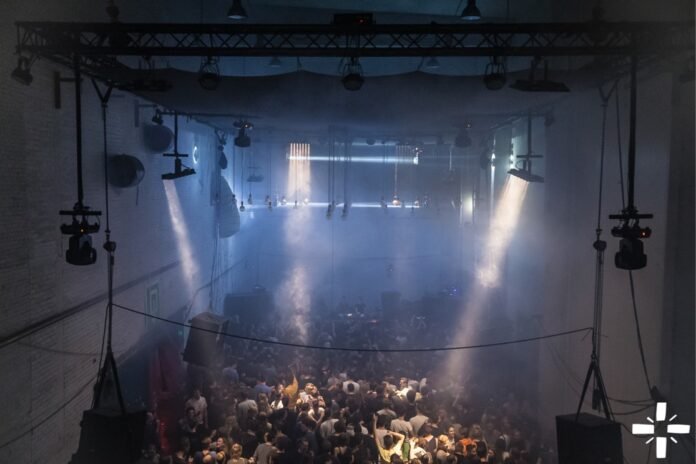
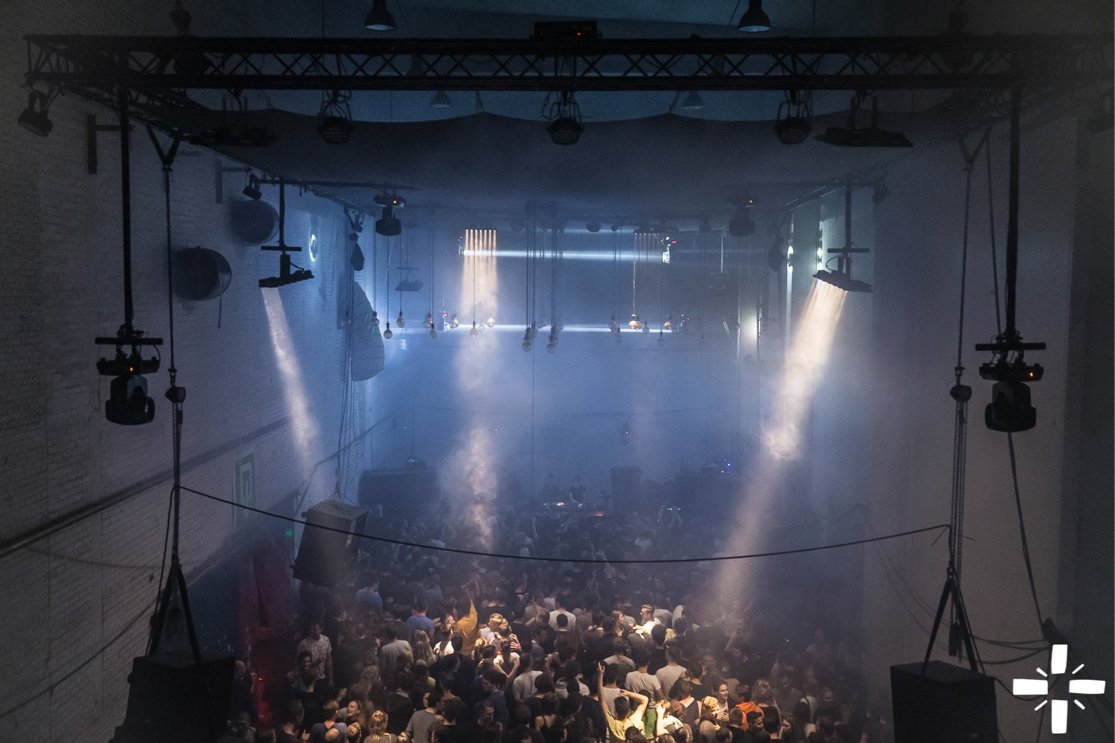
Scale is one of the principal differences between Kompass and many smaller Belgian underground clubs. The experience is based around large dancefloors, powerful sound, extensive lighting and visual production, and the architectural presence of the industrial environment itself. Despite this scale, the club has consistently positioned itself closer to warehouse and rave culture than to the traditional commercial superclub model.
Kompass also illustrates the complicated relationship between nightlife and post-industrial European cities. Ghent has actively transformed former factories and harbour areas into residential, commercial and cultural districts. The same redevelopment that creates opportunities for temporary clubs can eventually displace them when buildings acquire new functions and surrounding neighbourhoods become more residential.
The City of Ghent’s involvement in the search for a suitable location was therefore unusual and significant. Rather than treating nightlife purely as a source of noise or disturbance, city officials publicly described Kompass as an internationally recognised part of Ghent’s nightlife and explored ways of accommodating large clubs within industrial zones.
After almost a decade of warehouses, temporary permits, closures and returns, Kompass has become more than simply another techno venue. Its changing locations form part of its story and reflect the temporary nature of much contemporary European club culture. At the same time, its return to Vynckier offers the possibility of something that Kompass rarely had during its first decade: a recognisable long-term home.
