



1 Rue la Fayette – Strasbourg, France
KALT is Strasbourg’s most distinctive contemporary electronic music club. Located at 1 Rue La Fayette in the industrial Plaine des Bouchers area south of the city centre, it occupies a former industrial space and combines a deliberately stripped-down club environment with visual art, local residents and an international programme moving between techno, house, electro and ambient.
The club opened in April 2018, initially with surprisingly little publicity. Its first night featured Berlin-based Lux alongside Clarence Rise and Strasbourg DJ Dimë. From the beginning, KALT established several principles that continue to define it: electronic music rather than commercial nightlife, a no-photo policy, visual art alongside club programming and a strong connection with Strasbourg’s own DJ community.
A Club Built From the Local Scene
KALT did not emerge in isolation. Strasbourg already had an active network of small electronic music collectives, promoters and DJs, strengthened by the city’s unusual geographical position close to Germany and Switzerland. Two figures involved in creating the club, Roan and STU, had previously co-founded the Ephémère collective in 2012 and were part of this local ecosystem.
Resident Dimë later described the period preceding KALT as one of intense exchange between different generations of Strasbourg DJs. Older selectors mentored younger artists, people played together across different collectives and a shared musical community gradually formed. Roan and STU began planning a permanent techno club with an art space, eventually inviting Dimë to play the opening night. His appearances became regular and developed into a residency.
That resident culture remains central to KALT. Rather than using local DJs simply as opening acts for touring headliners, the club treats them as part of its musical identity. Aramis, Chill, Dima Roas, Dimë, Halès, Roan and STU have represented different sides of its sound, ranging from deep house and acid to breaks, electro, ambient and hypnotic techno.
Industrial Strasbourg
KALT’s location reinforces this approach. The club sits away from Strasbourg’s picturesque historic centre, inside the Plaine des Bouchers, an industrial district around the Meinau traditionally occupied by workshops, warehouses and commercial facilities. When it opened, local media described the site as an industrial wasteland undergoing redevelopment.
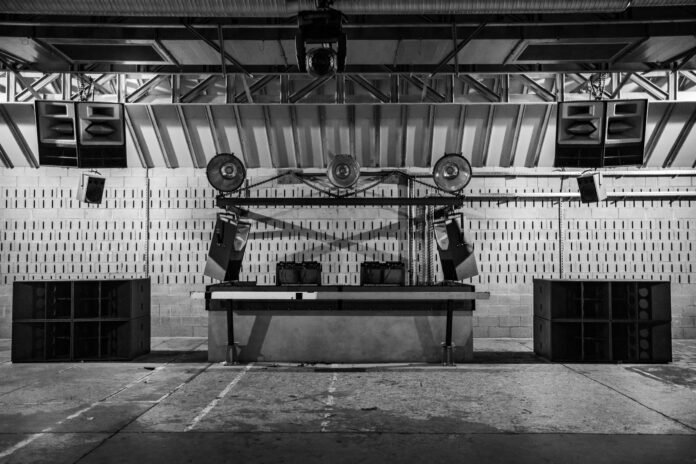
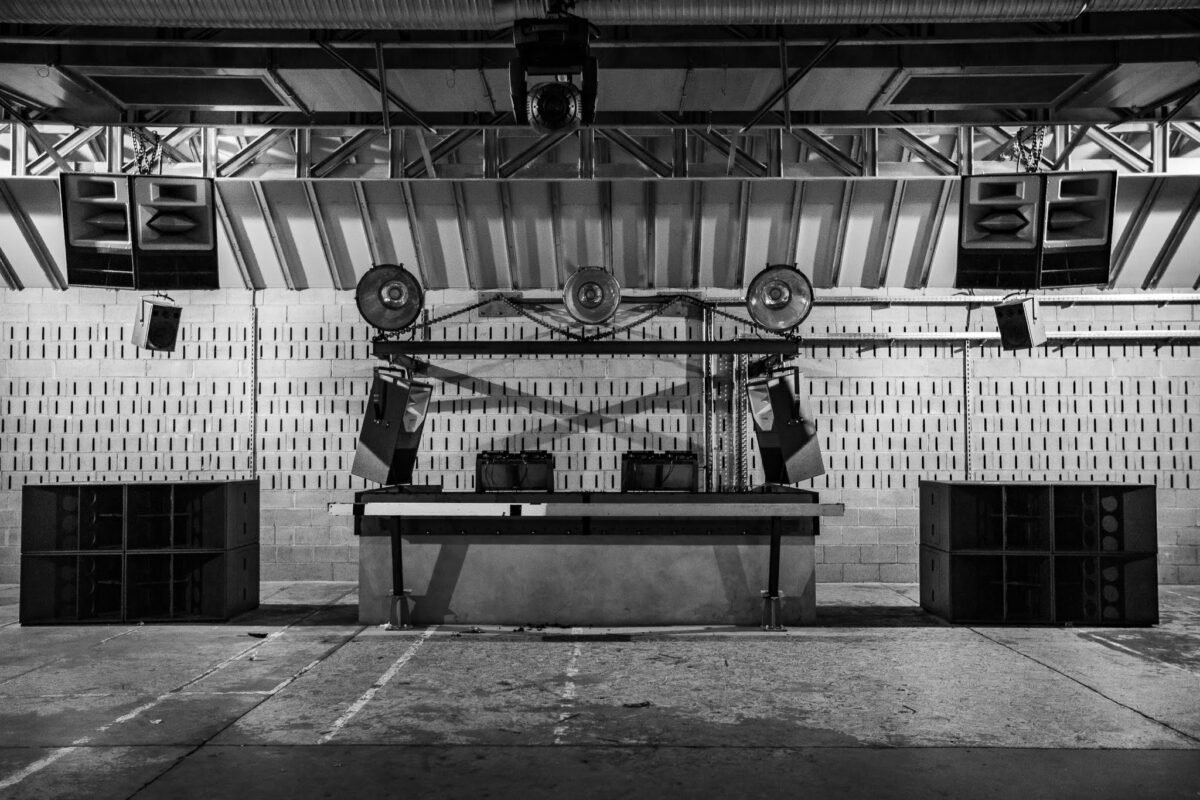
The venue originally accommodated around 500 people and was equipped with a full Funktion-One soundsystem. Its interior followed the functional logic familiar from underground European clubs: minimal decoration, darkness and an emphasis on the relationship between sound, lighting and the dancefloor rather than elaborate scenography.
The no-photo policy introduced at the opening reinforced that separation from the outside world. KALT still operates without photography on the dancefloor and explicitly defines itself as a space where visitors should be able to express themselves without harassment or discrimination.
Music
Techno forms an important part of KALT’s identity, but the musical direction has always been broader. House, electro, breaks and ambient regularly appear alongside deeper and harder forms of techno. Early bookings included Peter Van Hoesen, Zadig, Answer Code Request and Sandrien, immediately connecting the young venue with established European underground scenes.
Over the following years the programme expanded while maintaining this direction. Artists including Ben Sims, Len Faki, STERAC, Marcal, Justine Perry, Massimiliano Pagliara and Daniel Avery illustrate the range found in the club today: from Detroit-influenced and hypnotic techno to house, electro and more psychedelic forms of electronic music.
KALT also developed its own record label, releasing compilations that combine club residents with international guests who have played at the venue. The project reinforces the idea that KALT is not simply a room receiving touring DJs but an attempt to document and export a particular musical community from Strasbourg.
Between France and Germany
Strasbourg gives KALT an interesting position within French club culture. The city sits directly on the German border, with Karlsruhe, Freiburg, Basel and the wider Upper Rhine electronic scene all relatively close. Paris is culturally important, but geographically KALT also belongs to a cross-border network extending through eastern France, southern Germany and Switzerland.
This partly explains why the club can feel closer to the Central European underground club tradition than to conventional French nightlife. Residents, long sets, Funktion-One sound, minimal interiors and a no-photo dancefloor matter more than VIP infrastructure or elaborate entertainment.
KALT remains active in 2026, opening primarily on Saturday nights from 23:00 until 07:00. Visual exhibitions and performances still accompany the musical programme, while local residents continue to appear alongside international guests.
Eight years after its discreet opening, the formula remains remarkably consistent. KALT never needed to become a huge club or an international brand. Its identity comes from something simpler: an industrial room outside central Strasbourg, a serious soundsystem, a group of residents and enough musical freedom to move from ambient and house into techno as the night develops.
