




Al. Jerozolimskie 6 – Warsaw, Poland
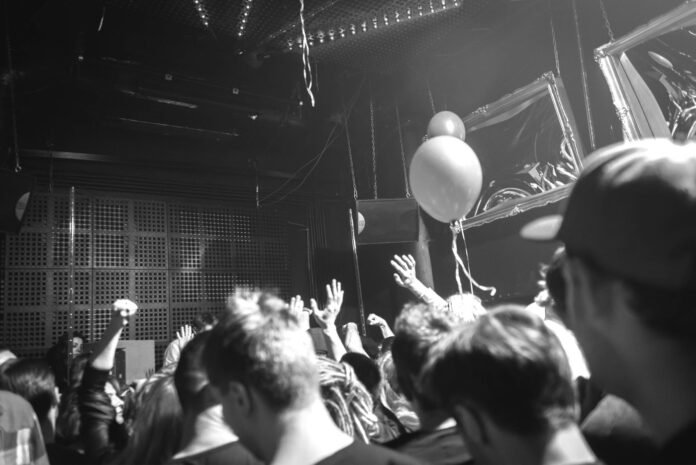
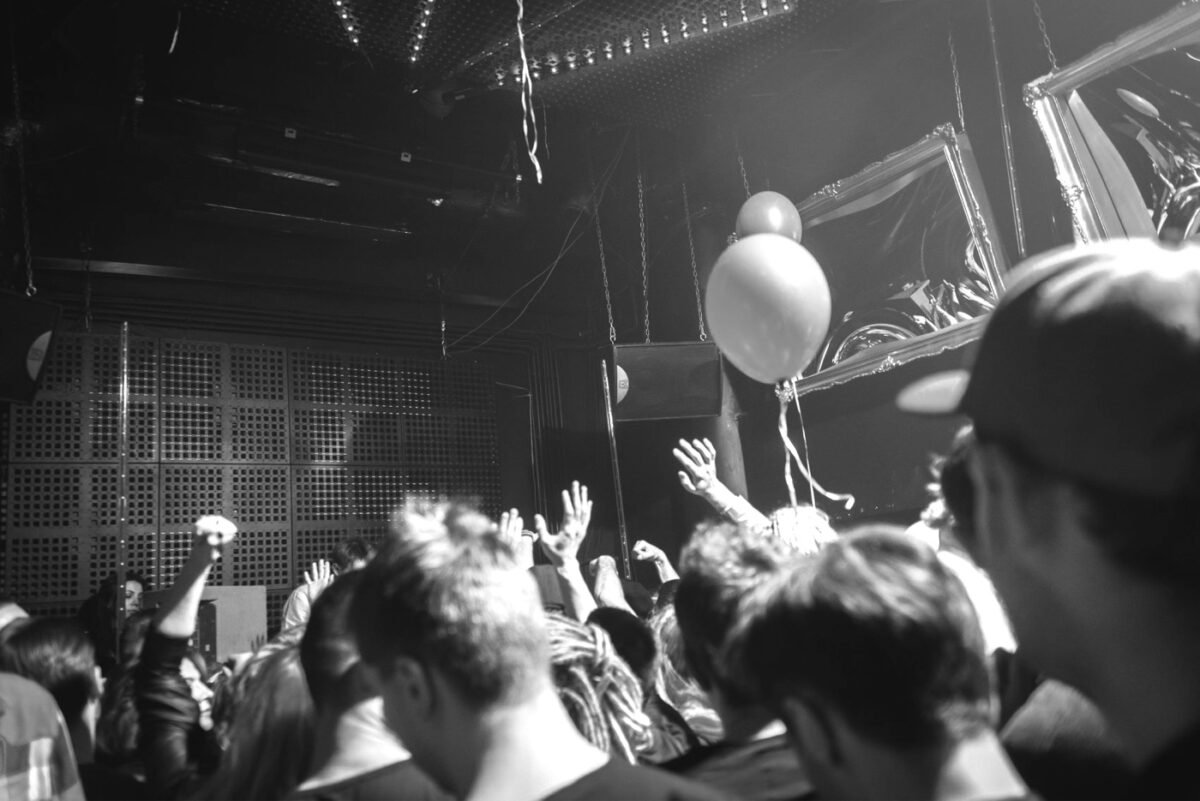
Luzztro is one of the longest-running institutions of Warsaw’s electronic music underground. Operating since 2003 at Aleje Jerozolimskie 6, close to the Warszawa Powiśle railway station, the club developed a reputation less through international headline bookings than through something increasingly rare in European nightlife: continuity, local residents and parties extending deep into the following day.
The idea originated with a group of friends who were organising private parties at home and eventually decided to create their own club. From the beginning, Luzztro positioned itself as an alternative to Warsaw’s increasingly commercial nightlife. House, minimal, tech house and techno became its foundations, while generations of local DJs and residents shaped the programme. The club later expanded this community through projects including Luzztro Records, Luzztro Academy and the Catch The DJ competition, deliberately connecting established residents with younger artists.
What made Luzztro particularly notorious, however, was its role in Warsaw’s after-hours culture. For years, when other clubs began emptying in the morning, people would move towards Aleje Jerozolimskie. The phrase that wherever you started the night, you eventually ended up at Luzztro became part of local club folklore. Its long sessions, dark rooms and permissive atmosphere also gave the venue a controversial reputation closely associated with Warsaw’s drug culture — an image acknowledged even by people involved with the club, although they have disputed some of its more extreme characterisations.
More than two decades later, Luzztro remains unusually resistant to changes in Warsaw nightlife. Clubs including Piekarnia, Klatka and many other venues associated with earlier generations disappeared, while Luzztro continued at the same address. Today it operates three rooms and still relies heavily on residents and local artists rather than functioning primarily as a destination for touring headliners.
Its importance is therefore difficult to explain through line-ups alone. Luzztro became underground through repetition: thousands of long nights, Sunday mornings, regular DJs and successive generations of people discovering the same basement-like world in the centre of Warsaw. In a club scene characterised by constant openings and closures, simply surviving since 2003 has become its most remarkable feature.
