



Rue du Marché aux Herbes 116 – Brussels, Belgium
C12 is one of the most important contemporary electronic music clubs and multidisciplinary cultural spaces in Brussels. Hidden beneath the city centre, next to Brussels Central Station and only a short walk from the Grand-Place, the venue combines underground club culture with contemporary art, live performances and experimental music.
Founded in 2018 by the Brussels collective Deep in House, C12 emerged as part of a new generation of independent cultural projects that transformed the city’s electronic music scene during the second half of the 2010s. Rather than operating exclusively as a nightclub, it was conceived as a platform where music, visual art and different creative communities could coexist.
History
C12 opened in early 2018 inside the Horta Gallery, an underground passage and complex connected with Brussels Central Station. The location immediately gave the project an unusual identity: while many European underground clubs occupy former factories on the outskirts of cities, C12 developed directly beneath one of the busiest and most central parts of Brussels.
The surrounding infrastructure is closely connected with the history of Brussels Central Station. The station was originally designed by Victor Horta, one of Belgium’s most important architects, although its extremely long construction process meant that it was completed after his death by Maxime Brunfaut. Brussels Central finally opened in 1952, becoming a key part of the North–South railway connection running beneath the city.
Decades later, vacant areas around this underground infrastructure provided an opportunity for a completely different form of urban use.
C12 was established by Deep in House, a Brussels collective already active through parties and electronic music events. Instead of building a conventional commercial nightclub, the collective transformed the unused underground space into a deliberately raw cultural venue.
The name itself reflects this relationship with the building. “C12” refers to the designation of the space rather than attempting to create an elaborate fictional identity around the club. Concrete architecture, exposed infrastructure and minimal intervention became fundamental parts of its aesthetic.
The opening of C12 coincided with an important period for Brussels’ independent electronic music community. Several projects that would become closely associated with the city’s contemporary scene appeared around the same time. Crevette Records opened in the Marolles in 2016, while Kiosk Radio began broadcasting from a small wooden pavilion in Brussels Park in 2017. Together with C12, these initiatives helped create a new ecosystem connecting clubs, record shops, radio, festivals, artists and local collectives.
C12 quickly developed relationships with other important cultural organisations in the city. Listen Festival moved part of its nighttime programme to the venue during C12’s first year in 2018 and returned in 2019. Artists including Actress, Bicep, Elena Colombi, Stellar OM Source, Mount Kimbie and AliA appeared there during these early festival collaborations.
Music and Art
From the beginning, C12 deliberately avoided defining itself through a single electronic genre. Techno and house remain important foundations of the programme, but the club regularly moves through electro, breaks, ambient, experimental electronics, bass music and various forms of contemporary club music.
This approach distinguishes it somewhat from Fuse, whose historical identity is much more directly connected with techno. At C12, a club night can sit alongside a live performance, audiovisual installation or experimental concert without appearing disconnected from the wider project.
Visual art has therefore been part of C12’s identity rather than simply decoration around the dancefloor. Exhibitions, installations and interdisciplinary projects have regularly appeared alongside the music programme.
The project also created C5, a small exhibition space near the entrance to the Horta Gallery. Located inside a former glass-fronted retail unit, C5 introduced contemporary visual art directly into the passage used by commuters and club visitors, creating an unusual connection between the nightlife environment and the everyday circulation of the city.
Present
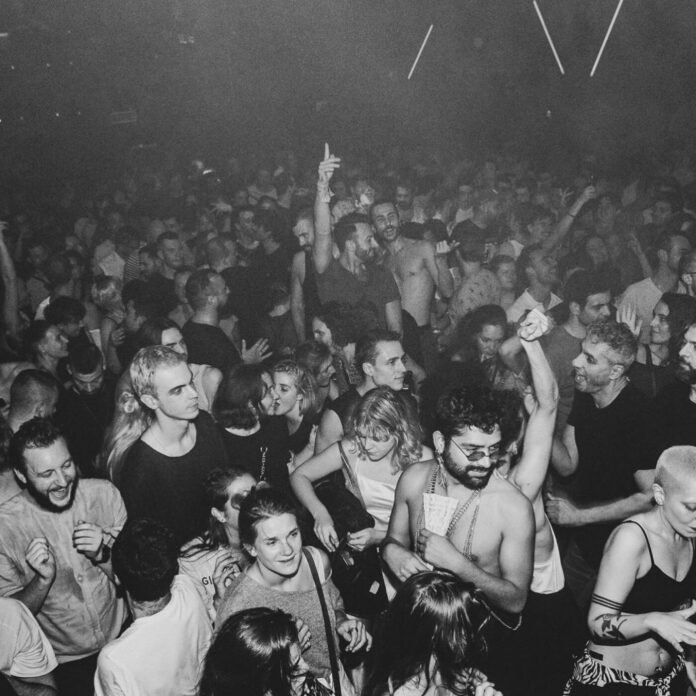
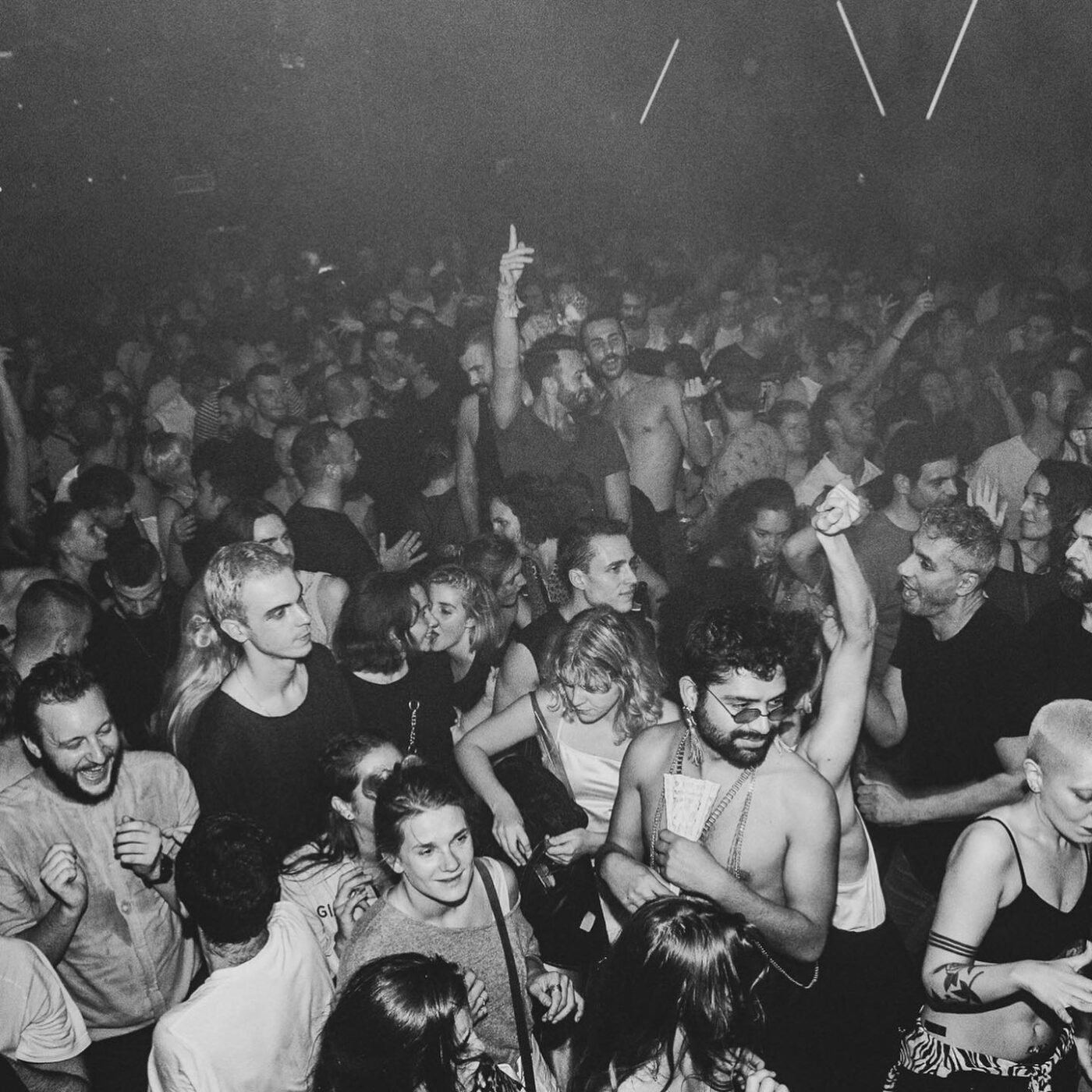
Today, C12 operates with two principal club rooms and continues to combine international bookings with a strong presence of Belgian DJs, residents and local collectives. Its programme ranges from established names in underground electronic music to emerging artists and experimental projects.
The physical environment remains deliberately minimal. The underground architecture, dark rooms and exposed concrete provide much of the visual identity, while the sound system and dancefloor remain the principal focus. This relative simplicity allows the character of the space itself to remain visible rather than disguising it beneath conventional nightclub design.
C12 also places considerable emphasis on inclusivity and safer club culture. Its philosophy explicitly rejects racism, sexism, homophobia, transphobia, ableism, harassment and other forms of discrimination. Freedom of expression, diversity and respect between different communities are presented as fundamental elements of the project rather than secondary policies.
This social philosophy reflects the character of Brussels itself. As an exceptionally international and culturally diverse European capital, the city has produced an electronic music scene that frequently crosses linguistic, national and stylistic boundaries. C12’s programming similarly avoids constructing a narrowly defined musical identity.
The club’s central location makes it particularly unusual. Visitors leaving Brussels Central Station can enter an underground cultural environment only minutes after arriving in the city, while the Grand-Place, Mont des Arts, Bozar and some of Belgium’s most prominent cultural institutions are immediately nearby. Underground club culture and the formal cultural centre of Brussels effectively occupy the same part of the city.
Nearly a decade after opening, C12 has become one of the institutions that define contemporary Brussels nightlife. Alongside the historic Fuse and newer projects across the city, it represents a generation that treats the nightclub not simply as a place for entertainment, but as cultural infrastructure.
Its importance lies partly in this combination: an abandoned underground space transformed into a club, gallery, concert venue and meeting point in the geographical heart of Brussels. C12 demonstrates how temporary or overlooked urban infrastructure can acquire an entirely new cultural function — and how electronic music can become part of the cultural life of a city rather than something pushed exclusively towards its outskirts.
