




Rue du Marché aux Fromages 10 – Brussels, Belgium
UMI is an electronic music club and cultural space in central Brussels, located beneath the city centre in the former C12 complex near Brussels Central Station. Opened in 2023, the venue quickly became part of a new generation of Brussels clubs combining underground electronic music with a broader cultural programme.
Its name comes from the Arabic word “Oumi”, meaning “mother”, reflecting the founders’ idea of creating a welcoming space built around community, diversity, and musical discovery. Rather than defining itself through a single genre, UMI moves between house, techno, electro, breaks, bass music, and sounds influenced by scenes outside the traditional European club circuit. UMI opened in September 2023 in the Galerie Horta, an underground complex connecting the area around Brussels Central Station and the Bozar cultural district. The space had previously become known to club audiences through C12, one of the most influential venues in Brussels’ recent electronic music history.
C12 was created by the Deep in House collective and opened in 2018, transforming previously unused rooms beneath the station into a temporary cultural and nightlife venue. Its programme combined techno and house with experimental electronic music, audiovisual performances, exhibitions, and installations. Over the following years, C12 became an important part of the Brussels underground and helped demonstrate how vacant urban infrastructure could be temporarily transformed into cultural space.
UMI emerged within this context but developed its own identity. The project was founded by Brussels-based cultural entrepreneurs and artists who wanted to establish a venue focused strongly on inclusivity and the multicultural character of the Belgian capital. Brussels is one of Europe’s most internationally diverse cities, and UMI deliberately incorporates this into both its programming and philosophy.
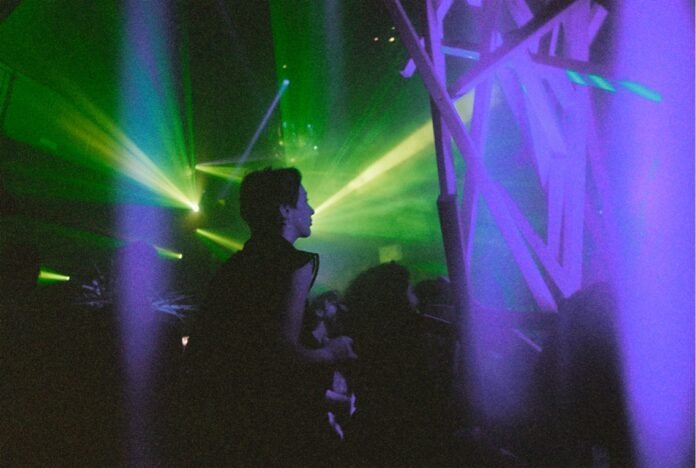
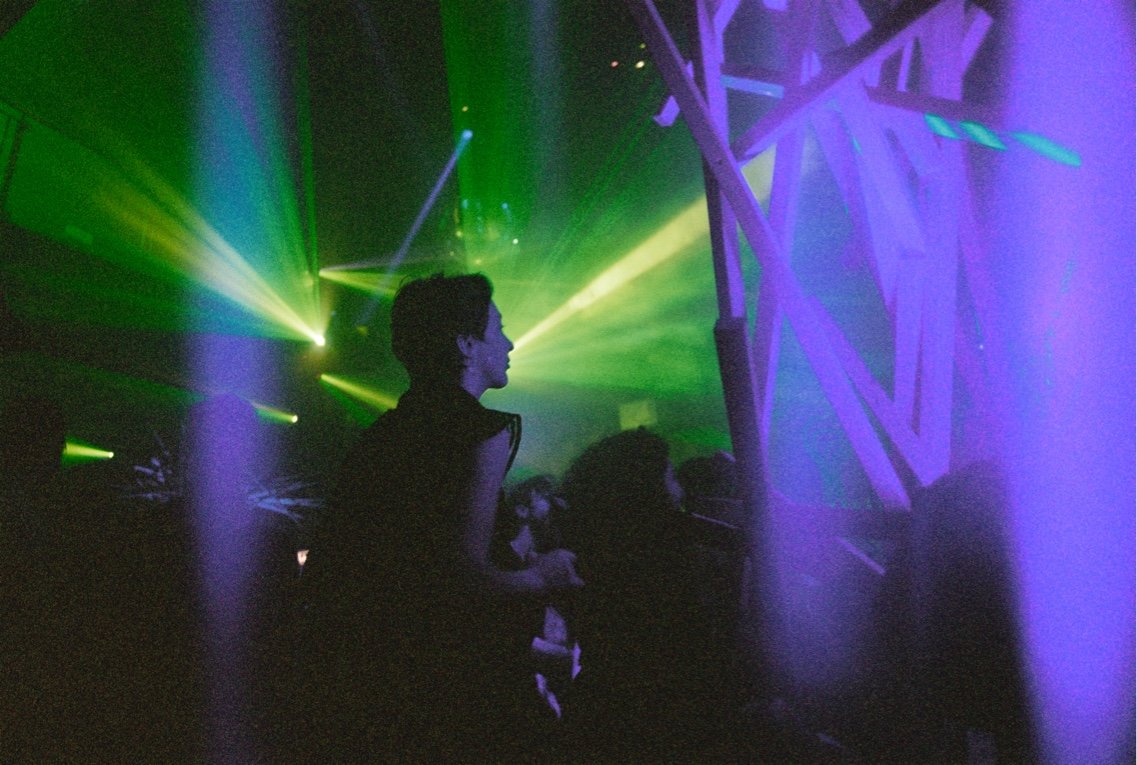
The club’s underground location plays an important role in its atmosphere. Hidden beneath one of the busiest parts of central Brussels, the venue contrasts sharply with the monumental institutions and commercial streets above it. Concrete corridors, low lighting, and an industrial interior create a setting that feels separated from the everyday city despite being only minutes away from the Grand-Place.
UMI operates primarily as a club but presents itself more broadly as a cultural and community-oriented project. Electronic music remains at its centre, with programmes ranging from house and techno to electro, UK-influenced club music, bass, breaks, and more hybrid forms of contemporary dance music.
The programming combines international guests with Belgian and Brussels-based DJs, while particular attention is given to artists and communities that have historically been less represented within conventional European nightlife. The result is a musical identity that reflects Brussels itself: international, multilingual, and difficult to reduce to a single scene or aesthetic.
UMI also places considerable emphasis on the social environment of the dancefloor. Its approach is based around inclusivity, consent, and respect, with the club positioning itself as a safer space for LGBTQIA+ communities and people from different cultural backgrounds. This philosophy forms part of a wider development within Brussels nightlife, where clubs increasingly function not only as entertainment venues but as spaces for community-building and cultural exchange.
The club’s location also places it within an unusually dense cultural area. Bozar, the Royal Library of Belgium, Mont des Arts, numerous museums, and Brussels Central Station are all immediately nearby. UMI therefore occupies an interesting position between the city’s established cultural institutions and its independent nightlife. Musically and culturally, UMI belongs to a particularly active period for Brussels club culture. Alongside venues and projects such as Fuse, C12, Reset, and several temporary or multidisciplinary spaces, it contributes to a scene that has increasingly gained international attention while retaining a strong local and community-driven character.
Still relatively young, UMI is less defined by a long institutional history than by the ideas behind it. Its combination of underground location, eclectic electronic programming, and emphasis on cultural diversity makes it a particularly Brussels-like club: a meeting point between different communities, musical traditions, and interpretations of contemporary nightlife.
