



17 Rue Jules Launey – Nantes, France
Macadam is one of the key electronic music clubs in Nantes and an important meeting point for the city’s independent club scene. Located in Bas-Chantenay, a former industrial district close to the Loire, the club has developed a reputation for adventurous programming, long nights, and a strong connection with local artists and collectives.
Rather than focusing exclusively on international headliners, Macadam operates as a platform for the wider electronic music ecosystem of Nantes, combining techno, house, electro, trance, bass music, and more experimental forms of club music.
Macadam opened on September 1, 2017, taking over the premises of the former Club 25 at 17 Rue Jules Launey. Its artistic direction was established by Androgyne, a collective founded that year by childhood friends Alexis Tenaud, Maxime Durand — also known as Youl — and Romain Galiby.
The founders had spent years travelling through club and festival scenes in Europe and further abroad, including Japan, Australia, and South America. These experiences influenced their approach to Macadam: the club was conceived primarily as a place for dancing and collective experience, with DJs treated as part of the environment rather than distant stars positioned above the audience. From its earliest period, Macadam also sought to provide space for Nantes’ existing electronic music community. Local collectives were invited to curate nights, while the musical programme deliberately moved between different areas of underground electronic music.
Shortly after opening, the club introduced Gloria, an unusual series of Sunday parties originally running from morning until late evening. The format reflected an approach to clubbing influenced partly by European weekend club culture, extending the experience beyond the conventional Friday and Saturday night schedule. Over the following years, Macadam became increasingly recognised outside Nantes. Its booth has hosted artists including DVS1, Marcel Dettmann, Donato Dozzy, Anetha, Palms Trax, DJ Gigola, Peach, tINI, Andrew Weatherall, Marie Montexier, Paquita Gordon and many others, while local residents and emerging artists remained an important part of its identity.
Today, Macadam remains strongly connected to the grassroots electronic scene of Nantes. Resident collectives are responsible for around two-thirds of the club’s programme, making the venue not simply a place where external promoters organize events, but an infrastructure through which different parts of the local scene can develop their own identities.
Its musical spectrum remains deliberately broad. Techno has an important presence, but nights can move through house, electro, breakbeat, trance, dub techno, bass music and harder or more experimental sounds. This diversity reflects Macadam’s idea of club culture as something constantly evolving rather than defined by a single genre.
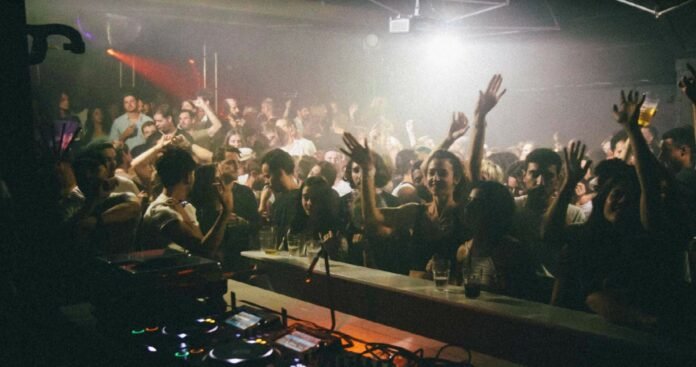
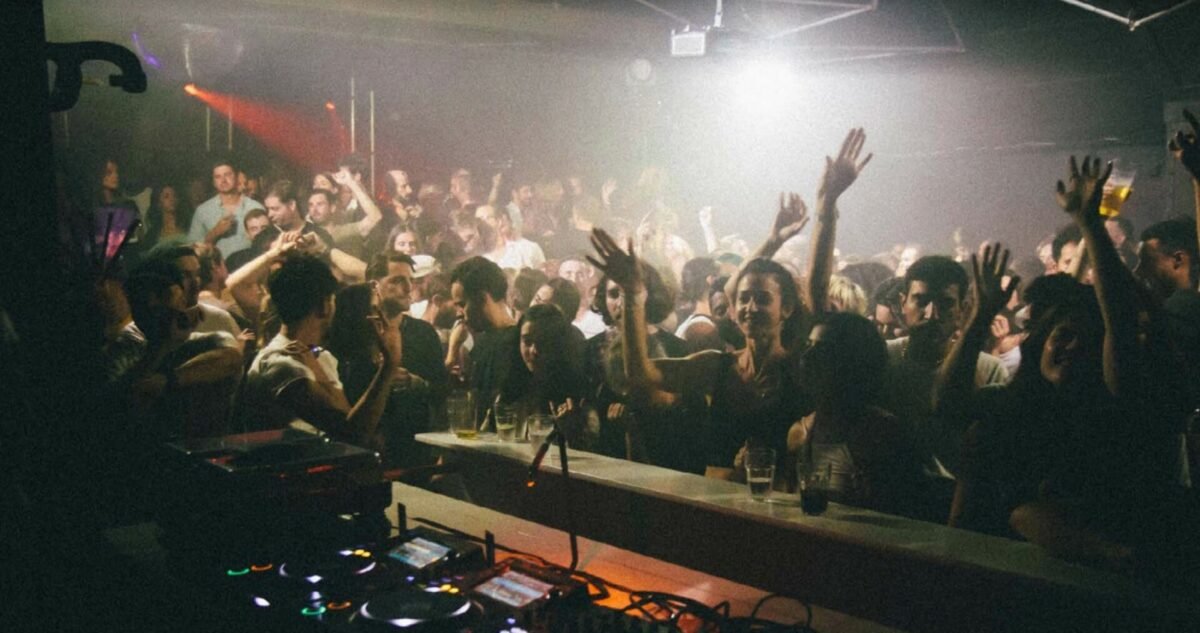
The physical environment follows a similarly direct philosophy. Macadam is dark, relatively minimal and centred on the dancefloor. Photography and video are prohibited inside, a policy intended to protect privacy and encourage people to participate in the event rather than document it. The club also places explicit emphasis on consent, respect and creating a space in which different communities can coexist.
In 2023, the ecosystem around the club expanded with OHM Town, an adjoining space connected to Macadam by an outdoor terrace. Its smaller and more intimate setting has provided another platform for emerging local artists and alternative formats, complementing the larger main club. Macadam has also expanded beyond events themselves. The team established Garde-Robe Records during the pandemic period, creating a label connected with residents and artists surrounding the club, although the label currently operates intermittently.
Nearly a decade after opening, Macadam occupies a distinctive position within French club culture. While Paris remains the country’s dominant international nightlife centre, Macadam demonstrates the strength of electronic music communities developing outside the capital. Its combination of international bookings, local collectives, long-form clubbing and a strong dancefloor philosophy has made it one of the most important independent electronic music venues in western France.
